
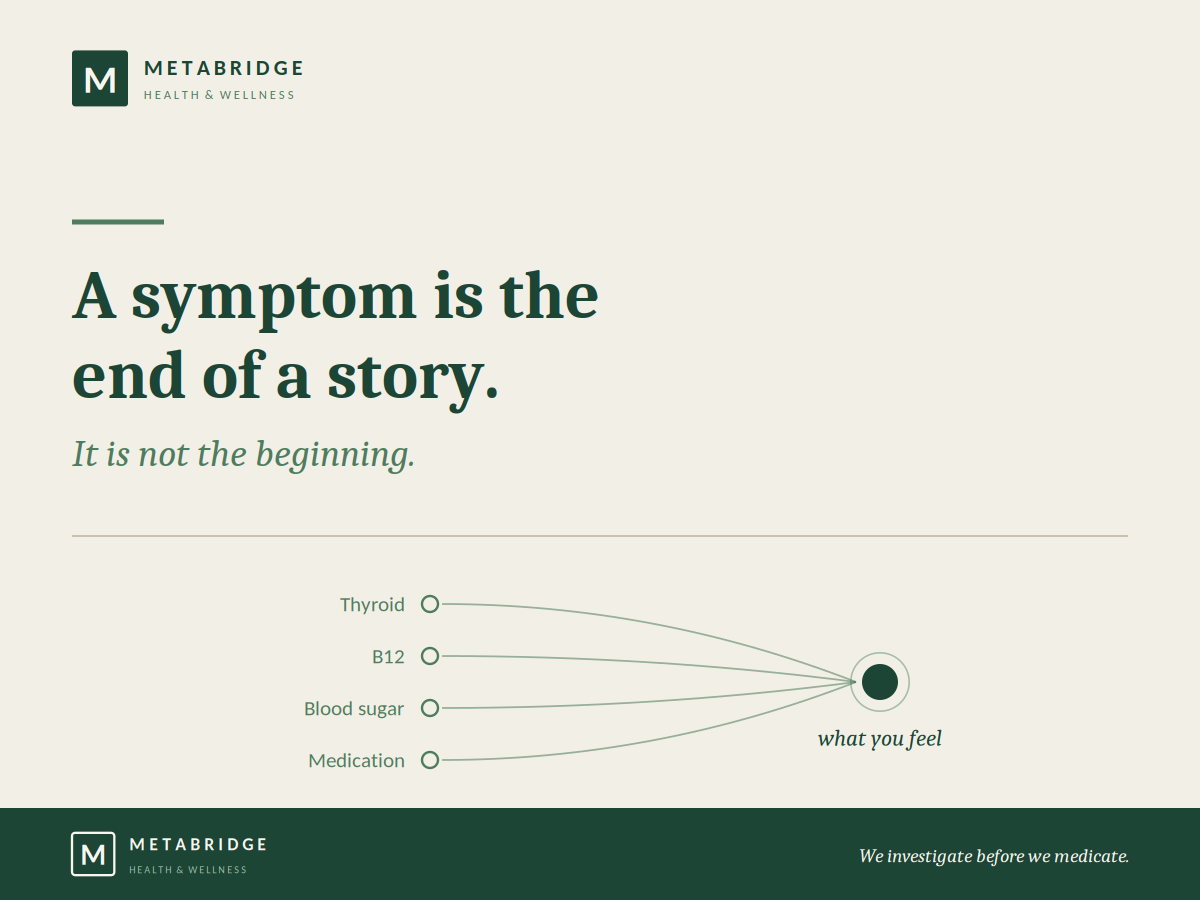
A symptom is the end of a story. It is not the beginning.
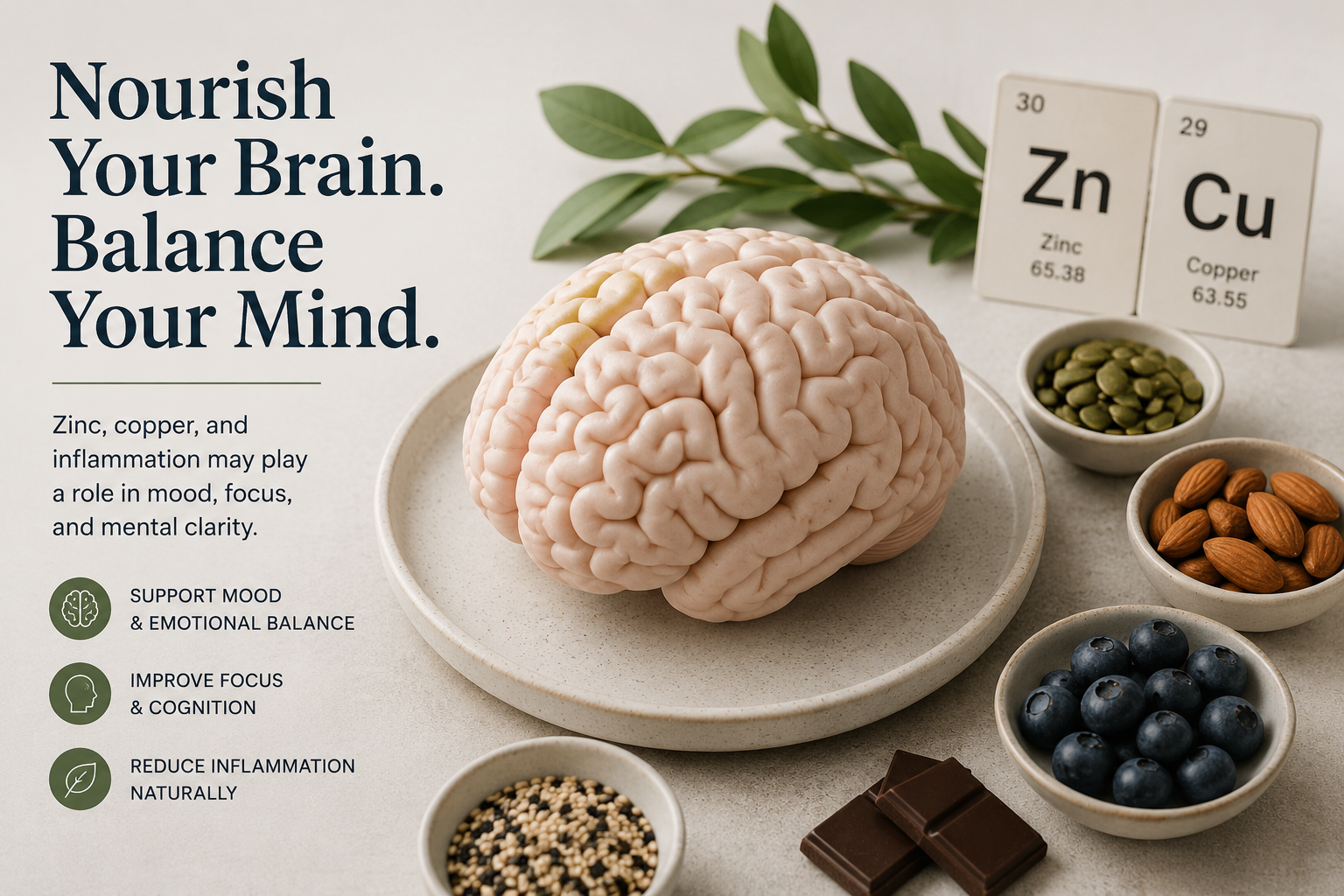
Could Micronutrients Be Affecting Your Mood and Focus?

Depression Isn’t Always Sadness

Modern Cannabis and Brain Health: How High THC Affects Your Mind
The Sleep Problem Nobody's Talking About

A Functional & Metabolic Approach to Mental Health

When “Treatment-Resistant Depression” Is actually Data-Deficient
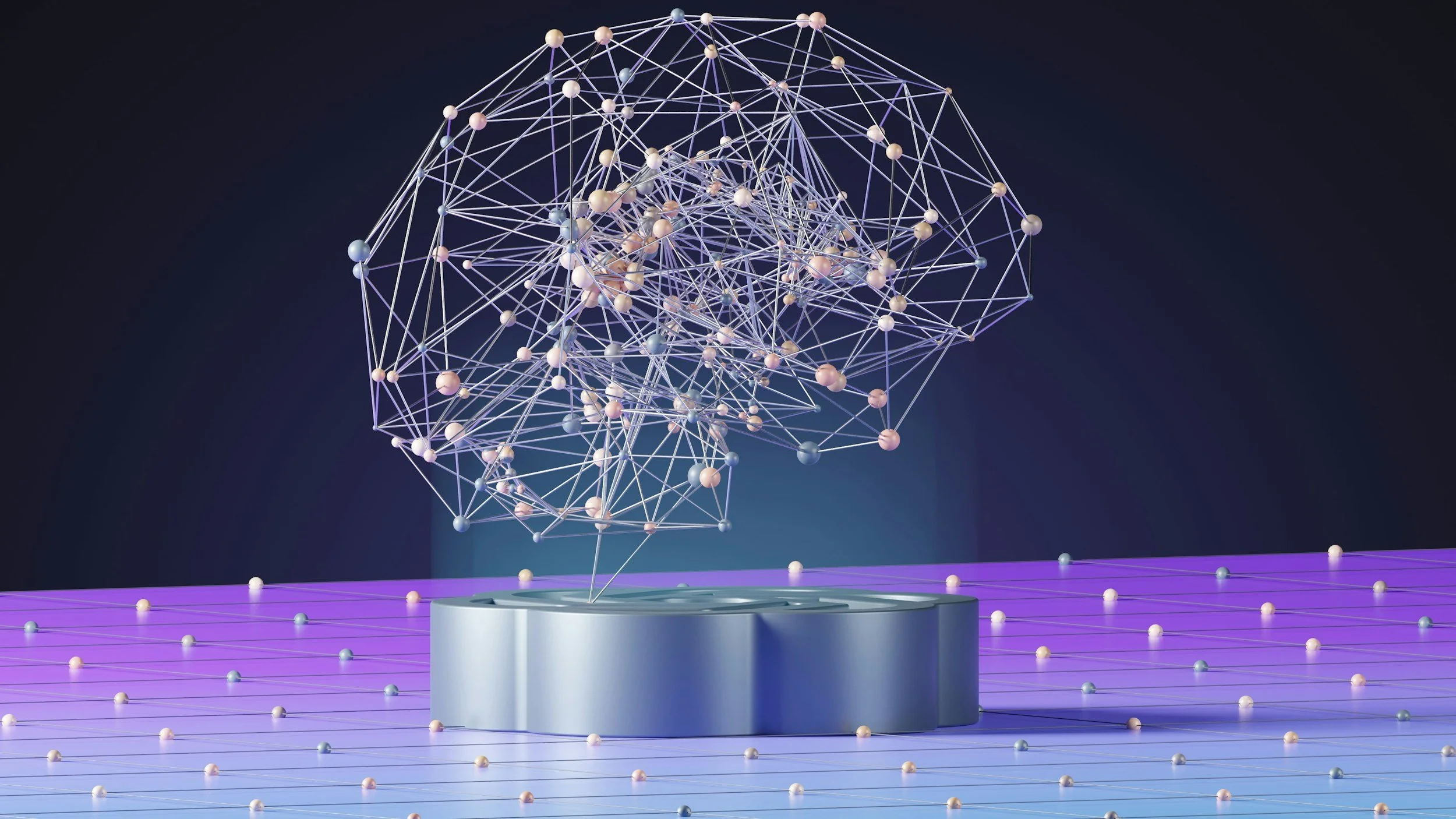
Microglia: How the Brain Senses Stress, Metabolism, and Inflammation
Microglia are the brain’s immune support cells and play a key role in how stress, sleep, metabolism, and inflammation affect mental health. Learn how microglial imbalance contributes to brain fog, anxiety, fatigue, and low mood—and what helps restore balance.

Why Your Depression Persists Despite Antidepressants, Therapy, and "Doing Everything Right"
Approximately 30% of people with major depression have treatment-resistant depression—failure to respond to at least two antidepressant trials. The problem isn't that you're resistant to treatment. Your depression may be resistant to treatments that don't address the underlying inflammatory and metabolic dysfunction driving your symptoms.

Why You Can't Sleep: How Metabolic Dysfunction Disrupts Your Circadian Rhythm
Sleep medications stop working because they don't address why your brain can't sleep naturally. Learn how blood sugar crashes, cortisol dysregulation, inflammation, and nutrient deficiencies disrupt circadian rhythm—and why fixing metabolism is the path to sustainable sleep.

Why You Can't Focus: The Metabolic Root Causes Behind Low Motivation
Your labs came back "normal" but you still can't focus. The problem isn't low dopamine. It may be metabolic dysfunction breaking down your brain's signaling.